Early childhood is an important time for developing emotional and social skills.
During these years, children begin understanding their feelings, recognizing other people's emotions, and learning how their actions affect those around them. One of the most valuable skills they can develop is empathy.
Empathy is the ability to understand and care about how another person feels. It helps children become kinder, more patient, and more respectful toward others.
Although young children may not fully understand emotions at first, everyday experiences can help them gradually develop this important skill.
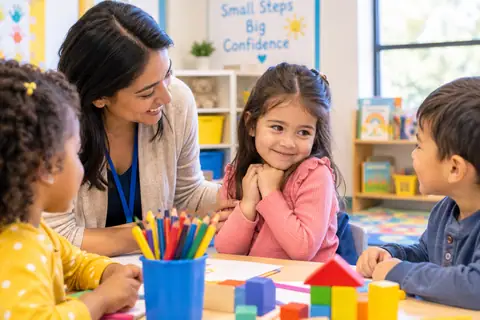
A supportive daycare environment gives children many opportunities to practice empathy through friendships, group activities, pretend play, and interactions with teachers. For parents exploring My Kids Daycare.
understanding how childcare supports emotional development can help them make informed decisions about their child's early learning journey.
Whether children are playing with classmates, sharing toys, helping a friend, or learning to solve disagreements, these experiences teach valuable lessons about kindness and understanding.
Let's explore how children learn empathy at daycare and why it matters for their future.
1. Learning to Recognize Different Emotions
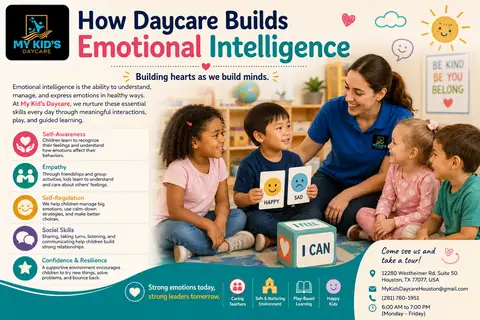
The first step toward developing empathy is learning to recognize emotions.
Young children gradually discover that people experience different feelings, including happiness, sadness, excitement, anger, and disappointment.
At daycare, children interact with classmates who express emotions in different ways. For example, a child might notice that a friend is crying because they miss their parents or feel upset after losing a favorite toy.
Teachers can use these moments to help children understand emotions by asking simple questions:
- How do you think your friend feels?
- Why do you think they are sad?
- What could we do to help?
- How would you feel in the same situation?
These conversations help children become more aware of other people's feelings.
2. Teachers Demonstrate Kindness and Empathy
Children learn many behaviors by observing adults. Teachers play an important role in demonstrating how to treat others with kindness, patience, and respect.
When teachers listen carefully, comfort an upset child, and respond calmly to disagreements, children observe positive examples of empathy.
For instance, if a child falls during outdoor play, a teacher might encourage classmates to ask whether their friend is okay or offer help.
These small experiences demonstrate that caring about others is an important part of everyday interactions.
Parents searching for quality daycare in Houston should consider environments where teachers encourage positive behavior and support children's emotional development.
3. Sharing Toys Helps Children Understand Others
Sharing is one of the first opportunities children have to practice empathy.
Young children naturally become attached to their favorite toys and may find it difficult to let others use them.
However, playing with classmates helps them understand that other children also have feelings, interests, and needs.
Daycare teachers can encourage sharing through activities such as:
- Building towers together with colorful blocks.
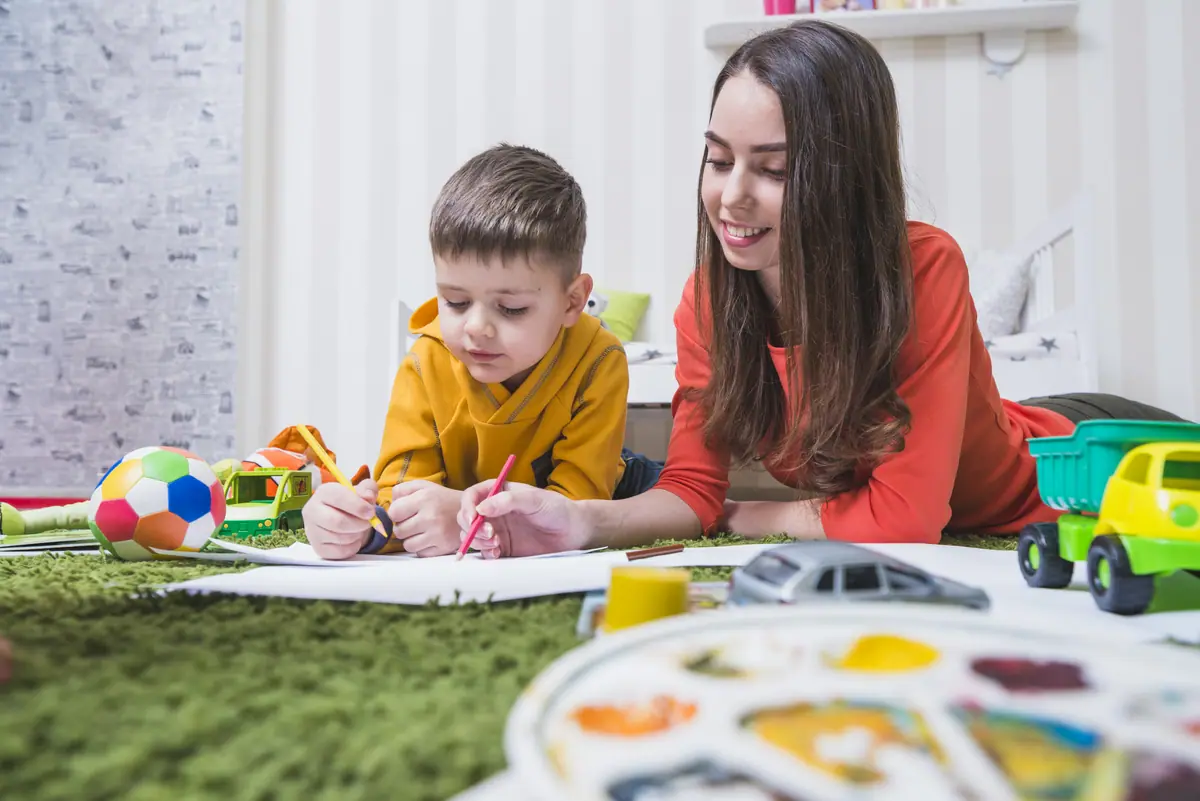
- Sharing crayons during art projects.
- Taking turns with puzzles and games.
- Passing toys during group activities.
- Working together to complete classroom projects.
When children learn to share, they begin understanding fairness, patience, and consideration for others.
4. Friendships Encourage Emotional Understanding
Friendships provide meaningful opportunities for children to understand emotions.
When children develop relationships with classmates, they experience happiness, excitement, disappointment, and occasional disagreements. These experiences help them understand that other people have feelings just like they do.
For example, when a friend feels left out during a game, a child may learn to invite them to participate.
Teachers can encourage inclusive play by helping children welcome classmates, take turns, and cooperate during group activities.
These positive interactions help children develop stronger relationships and become more considerate of others.
5. Pretend Play Builds Empathy
Pretend play is an effective way for young children to explore different situations and understand other people's perspectives.
Children often enjoy pretending to be doctors, teachers, parents, store owners, or caregivers. During these activities, they imagine how different people think, feel, and behave.
For example, when a child pretends to care for a sick doll, they may practice comforting, helping, and showing concern.
Other helpful pretend-play activities include:
- Playing family and caring for dolls.
- Pretending to run a grocery store.
- Playing doctor and patient.
- Acting out stories about friendship.
- Creating situations where children help each other.
These activities encourage imagination while introducing children to the importance of caring for others.
6. Group Activities Teach Cooperation
Group activities help children understand that working together requires patience, communication, and consideration.
At daycare, children participate in activities where they must cooperate to complete a shared task. They learn that everyone has a role and that listening to others is important.
Some examples include:
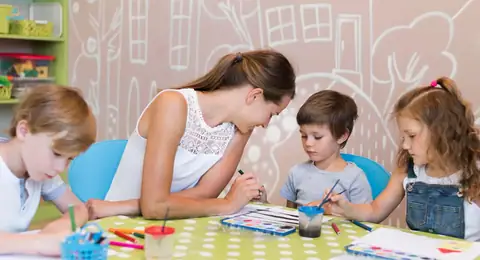
Group Art Projects: Children work together to create drawings, paintings, or classroom decorations.
Building Activities: Classmates cooperate to build towers, houses, and other structures using blocks.
Music and Movement: Children sing songs, follow movements, and participate in group games.
Storytelling: Teachers encourage children to discuss characters and how they might feel in different situations.
Through these experiences, children learn to appreciate different ideas and support their classmates.
7. Resolving Conflicts Helps Children Understand Feelings
Disagreements are a normal part of childhood. Children may argue over toys, games, or classroom activities because they are still learning how to communicate their needs.
These moments can become valuable opportunities to develop empathy.
Instead of immediately solving every disagreement for children, teachers can guide them through the process.
For example, if two children want the same toy, a teacher might encourage them to explain how they feel and listen to each other.
Children can practice saying:
- I was using that toy.
- Can I have a turn next?
- Are you okay?
- Let's play together.
- I'm sorry I hurt your feelings.
Learning to resolve conflicts peacefully helps children understand the importance of respecting other people's emotions.
8. Reading Stories Teaches Children About Emotions
Storytelling is another helpful way to introduce empathy.
Children's books often include characters who experience friendship, kindness, sadness, fear, and happiness. Teachers can use these stories to help children understand different emotional situations.
After reading a story, teachers might ask:
- Why was the character feeling sad?
- How did the other character help?
- What would you do in that situation?
- How could the characters become friends?
These discussions encourage children to think beyond their own experiences and consider how others might feel.
Storytime also supports vocabulary development and communication skills.
9. Outdoor Play Creates Opportunities to Help Others
Outdoor activities provide natural opportunities for children to practice empathy and kindness.
During playground time, children may notice a classmate who needs help climbing, feels left out of a game, or has difficulty participating in an activity.
Teachers can encourage children to offer support and include others.
Activities such as ball games, obstacle courses, playground games, and group challenges teach children how to cooperate and encourage their classmates.
These experiences are especially valuable for children receiving toddlers care in Houston, as they provide opportunities to develop social awareness through active play.
10. Emotional Development Prepares Children for Kindergarten
Empathy is an important part of kindergarten readiness.
Children entering kindergarten need more than academic knowledge. They also benefit from learning how to communicate, follow group routines, cooperate, and interact positively with classmates.
Children who have opportunities to practice empathy may become more comfortable:
- Making new friends.
- Understanding classroom expectations.
- Sharing learning materials.
- Participating in group activities.
- Expressing their emotions.
- Respecting different opinions.
For families comparing affordable daycare options, it is helpful to consider how each center supports emotional and social development alongside early learning.
11. How Parents Can Encourage Empathy at Home
Empathy development continues outside daycare. Parents can reinforce the lessons children learn in childcare through simple everyday activities.
Here are some practical ideas:
Talk About Feelings: Ask children how they feel and encourage them to describe their emotions.
Read Books Together: Choose stories that demonstrate kindness, friendship, helping, and understanding.
Practice Kindness: Encourage children to help with small tasks, share toys, and use polite words.
Be a Positive Example: Show patience and respect when interacting with family members and others.
Praise Caring Behavior: Recognize moments when your child comforts someone, shares, or offers help.
Discuss Everyday Situations: If someone appears upset, gently discuss how that person might feel and what could help.
When parents and teachers work together, children receive consistent encouragement to develop positive emotional habits.
Why Choose My Kid's Daycare for Your Child?
Choosing the right childcare center is an important decision for every family. Parents want their children to feel safe, welcomed, supported, and encouraged to learn.
At My Kid's Daycare, we understand that early childhood development involves more than learning letters and numbers. Children also need opportunities to build friendships, express emotions, explore their surroundings, and develop positive relationships.
Our childcare programs welcome children from 6 weeks to 12 years old and provide opportunities for age-appropriate learning, supervised play, and social interaction.
Whether you are searching for infants care in Houston, toddler programs, or before and after school in Houston TX, finding a supportive childcare environment can help your child develop important life skills.
We encourage children to explore, communicate, participate in activities, and enjoy positive interactions with their classmates.
Frequently Asked Questions (FAQs)
1. At what age do children start developing empathy?
Children begin showing early signs of empathy during infancy and toddlerhood. Their ability to understand and respond to other people's emotions gradually develops throughout the preschool years.
2. How does daycare help children learn empathy?
Daycare provides opportunities for children to interact with classmates, share toys, participate in group activities, and observe positive behavior from teachers.
3. Why is empathy important in early childhood?
Empathy helps children develop kindness, emotional awareness, communication skills, cooperation, and positive relationships.
4. How can teachers encourage empathy in young children?
Teachers can encourage empathy through storytelling, pretend play, group activities, emotional conversations, and positive examples of kindness.
5. Can shy children learn empathy at daycare?
Yes. Shy children can develop empathy through gentle interactions, small-group activities, supportive relationships, and opportunities to observe and participate at their own pace.
6. Does pretend play help children develop empathy?
Yes. Pretend play allows children to imagine different situations, explore emotions, and practice caring behaviors through role-playing.
7. How can parents teach empathy at home?
Parents can encourage empathy by discussing feelings, reading stories about kindness, demonstrating respectful behavior, and praising children when they help others.
8. How does empathy help children prepare for kindergarten?
Empathy helps children communicate, cooperate, make friends, resolve disagreements, and participate more positively in classroom activities.
Give Your Child a Caring Place to Learn and Grow!
Are you looking for a welcoming childcare center where your child can develop social skills, build friendships, and learn important life lessons?
My Kid's Daycare provides childcare and early learning opportunities for children from 6 weeks to 12 years old.
We welcome families looking for infant care, toddler care, and before-and-after-school programs in Houston.
Come visit us, meet our team, explore our learning environment, and learn more about our childcare programs.
Contact My Kid's Daycare Today!
- Website: https://www.mykidsdaycarehouston.com/
- Email: mykidsdaycarehouston@gmail.com
- Phone: (281) 760-1951
- Address: 12280 Westheimer Road, Suite 50, Houston, TX 77077
Schedule a tour today! We look forward to meeting your family.