Starting kindergarten is an exciting milestone in a young child's life. Children begin exploring new environments, meeting different people, and learning how to become more independent.
One of the most important skills they can develop before entering kindergarten is the ability to build friendships.
Friendships during early childhood are about much more than having someone to play with.
They help children develop communication skills, emotional understanding, confidence, cooperation, and problem-solving abilities.
Through everyday interactions with other children, young learners discover how to share, take turns, express their feelings, and understand different perspectives.
For parents searching for My Kid’s Daycare, finding a welcoming childcare environment can make a meaningful difference in a child's social development.
Quality daycare experiences give children opportunities to interact with peers, participate in group activities, and develop relationships that prepare them for kindergarten.
Let's explore why early friendships matter and how parents and childcare providers can help children develop positive social connections.
1. Friendships Help Children Develop Social Skills
Social skills are essential for children preparing to enter kindergarten. Before starting school, children need opportunities to learn how to communicate, interact, and participate in group activities.
Friendships provide natural opportunities to practice these skills. When children play together, they learn how to introduce themselves, ask questions, listen to others, and respond appropriately.
For example, when two preschoolers build a tower together, they must communicate about which blocks to use and how to complete their project. These simple interactions teach cooperation and teamwork.
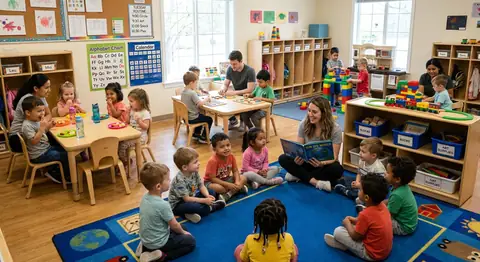
A quality daycare in Houston can provide a supportive setting where children practice social skills through supervised play, classroom activities, storytelling, and group experiences.
2. Children Learn How to Share and Take Turns
Sharing can be challenging for young children because they are still learning to understand other people's needs and feelings.
Playing with friends helps children gradually develop patience and cooperation. They learn that everyone deserves a chance to participate and that playing together can be more enjoyable than playing alone.
Childcare teachers can encourage sharing through activities such as:
- Taking turns with building blocks.
- Sharing crayons during art projects.
- Playing simple board games.
- Passing balls during outdoor activities.
- Working together on puzzles.
These everyday experiences help children understand fairness, patience, and respect.
3. Friendships Build Confidence and Independence
Children who develop positive friendships often become more comfortable interacting with others. Having familiar playmates can make a new classroom or learning environment feel less intimidating.
When children make friends, they begin to feel that they belong. They may become more willing to participate in group activities, answer questions, and explore unfamiliar experiences.
For children preparing for kindergarten, this confidence can be especially valuable.
At a welcoming childcare center, teachers can encourage children to make connections at their own pace. Some children quickly approach new friends, while others need additional time and reassurance.
The goal is not to force friendships but to create opportunities for meaningful connections.
4. Friendships Teach Children About Emotions
Understanding emotions is an important part of early childhood development.
When children spend time with friends, they experience different feelings, including happiness, excitement, disappointment, and frustration.
These experiences help them recognize their own emotions and understand how other people feel.
For example, a child might notice that a friend becomes upset when a toy is taken away. With guidance from a teacher, the child can learn to apologize, offer another toy, or find a solution.
Teachers can support emotional development by helping children:
- Identify and name their feelings.
- Recognize when another child is upset.
- Practice kindness and empathy.
- Express frustration using words.
- Resolve small disagreements peacefully.
These experiences help children develop emotional awareness before entering kindergarten.
5. Group Activities Encourage Teamwork
Group activities give children opportunities to work toward shared goals. They also help young learners understand that everyone can contribute something valuable.
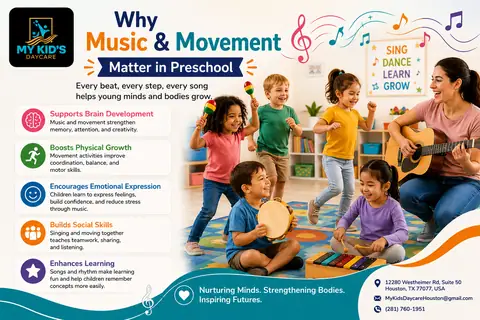
Activities such as building structures, completing puzzles, singing songs, and creating artwork encourage children to cooperate.
For example, during a classroom building activity, one child might collect blocks while another helps arrange them. A third child might suggest how to make the structure taller.
Through these experiences, children learn to listen, contribute ideas, and appreciate teamwork.
Parents looking for affordable daycare options should consider whether a center offers meaningful group activities alongside individual learning opportunities.
6. Friendships Improve Communication and Language Development
Playing with friends encourages children to use language in meaningful ways.
Instead of simply listening to adults, children have opportunities to start conversations, ask questions, explain ideas, and describe what they want to do.
Pretend play is particularly helpful. Children might pretend to operate a restaurant, care for dolls, or run a grocery store. These activities encourage them to use new vocabulary and communicate with their classmates.
Teachers can support language development by:
- Reading stories and discussing characters.
- Encouraging children to describe their artwork.
- Organizing pretend-play activities.
- Asking open-ended questions.
- Giving children time to express their thoughts.
These communication experiences can help children feel more prepared to participate in kindergarten classrooms.
7. Friendships Help Children Handle Disagreements
Not every playtime experience will be perfect. Children sometimes disagree about toys, games, or classroom activities.
However, these moments can become valuable learning opportunities.
With patient guidance, children can learn how to solve small conflicts without shouting, grabbing, or becoming overly frustrated.
Teachers can encourage children to explain what happened, listen to each other, and think of a fair solution.
For example, if two children want the same toy, a teacher might suggest taking turns or finding another activity they can enjoy together.
Learning these skills before kindergarten helps children become more comfortable navigating social situations.
8. A Positive Daycare Environment Supports Early Friendships
A child's surroundings play an important role in developing healthy relationships. A welcoming daycare environment gives children opportunities to interact with classmates while receiving support from caring teachers.
Parents exploring daycare Houston options should look for centers that encourage:
- Age-appropriate group activities.
- Supervised indoor and outdoor play.
- Positive communication between teachers and children.
- Opportunities for creative exploration.
- Respectful classroom interactions.
- A safe and welcoming atmosphere.
At My Kid’s Daycare, children can participate in developmentally appropriate experiences that encourage learning, creativity, communication, and social interaction.
9. Friendships Make the Transition to Kindergarten Easier
Kindergarten introduces children to new routines, classmates, teachers, and expectations.
Children who have experience interacting with other children may find certain parts of this transition more familiar.
They have already practiced sitting in groups, listening to instructions, waiting for turns, sharing materials, and participating in classroom activities.
Friendships also give children opportunities to develop a sense of belonging, which can make new experiences more comfortable.
For families searching for toddlers care in Houston, choosing a childcare environment that encourages social development can be an important step toward kindergarten readiness.
10. How Parents Can Encourage Friendships at Home
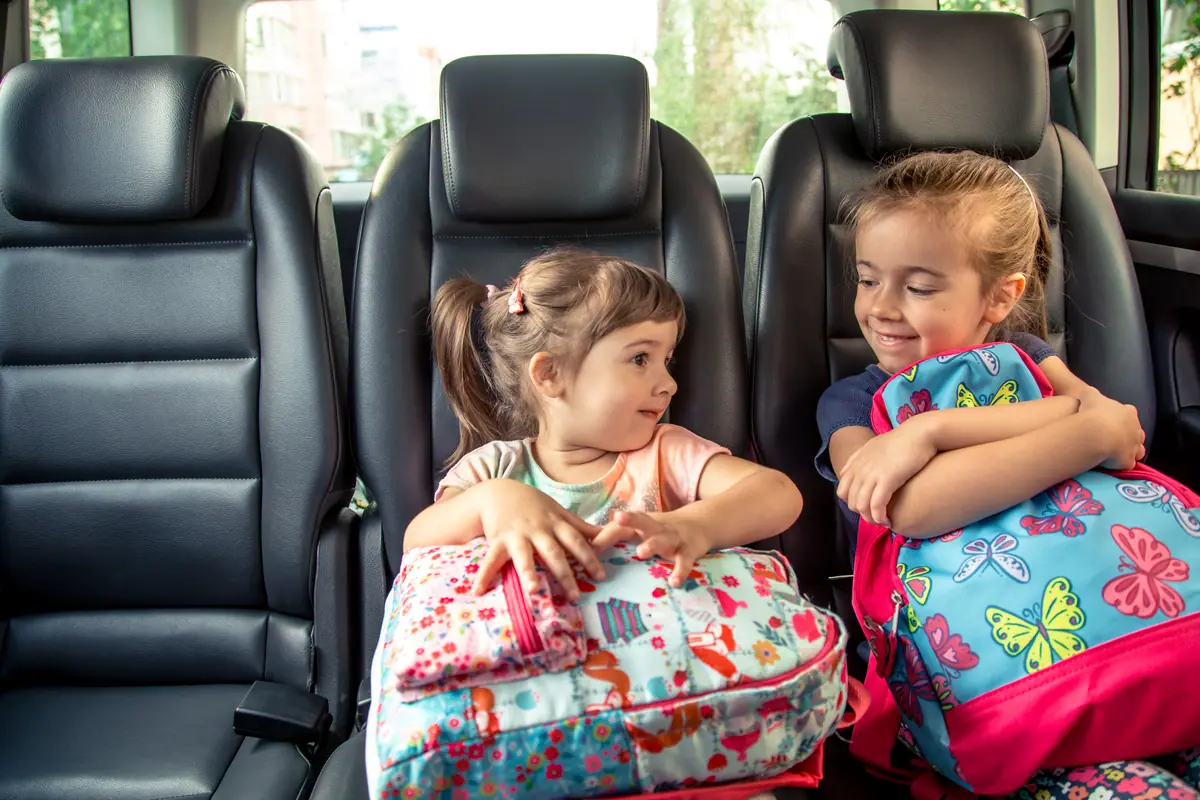
Parents play an important role in helping children develop positive relationships. Small activities at home can reinforce the social skills children practice in daycare.
Here are some simple ways to encourage friendships:
Arrange Playdates: Give children opportunities to spend time with other children in relaxed settings.
Practice Sharing: Play games that involve taking turns and sharing toys.
Read Stories About Friendship: Choose children's books that teach kindness, cooperation, and empathy.
Encourage Conversation: Ask questions about their day, classmates, and favorite activities.
Teach Kindness: Show children how to use polite words, offer help, and respect others.
Celebrate Small Achievements: Recognize moments when children share, cooperate, or help a friend.
Consistency between home and childcare environments can help children strengthen their social skills.
Why Choose My Kid’s Daycare for Your Child's Early Learning Journey?
Choosing the right childcare center is an important decision for every family. Parents want a place where their children can learn, play, develop confidence, and build meaningful relationships.
My Kid’s Daycare provides childcare and early learning opportunities for children from 6 weeks to 12 years old.
Our programs support children's development through age-appropriate activities, supervised play, and opportunities to explore and interact with others.
Whether you are looking for infants care in Houston, toddler programs, or before and after school in Houston TX, finding a supportive environment can help your child develop important skills for the future.
Our goal is to provide children with a welcoming place where they can explore, learn, make friends, and enjoy their early childhood experiences.
Frequently Asked Questions (FAQs)
1. Why are friendships important before kindergarten?
Friendships help children develop communication, cooperation, emotional understanding, confidence, and problem-solving skills. These abilities can make the transition to kindergarten easier.
2. At what age do children start making friends?
Children begin showing interest in other children during infancy and toddlerhood. More cooperative friendships often develop during the preschool years as communication and social skills improve.
3. How does daycare help children make friends?
Daycare provides opportunities for children to interact regularly through group play, classroom activities, storytelling, outdoor games, and creative projects.
4. What if my child is shy around other children?
Shy children may need extra time to feel comfortable. Parents and teachers can encourage friendships through small-group activities, gentle introductions, and positive reinforcement without forcing interactions.
5. Can friendships improve kindergarten readiness?
Yes. Positive social experiences help children practice listening, sharing, communicating, following group routines, and cooperating with others.
6. What should parents look for in a daycare center?
Parents should consider safety, cleanliness, teacher interactions, age-appropriate activities, supervision, communication, and opportunities for social and emotional development.
7. Does My Kid’s Daycare offer programs for different age groups?
My Kid’s Daycare provides childcare for children from 6 weeks to 12 years old, with programs designed to support different stages of childhood development.
Give Your Child a Place to Learn, Play, and Make Friends!
Are you searching for a welcoming childcare center where your child can develop important social skills and enjoy meaningful learning experiences?
My Kid’s Daycare welcomes families looking for quality childcare, infant care, toddler programs, and before-and-after-school care in Houston.
Come visit us, meet our team, explore our learning environment, and see how we support children's early development.
Contact My Kid’s Daycare Today!
- Website: https://www.mykidsdaycarehouston.com/
- Email: mykidsdaycarehouston@gmail.com
- Phone: (281) 760-1951
- Address: 12280 Westheimer Road, Suite 50, Houston, TX 77077
Schedule a tour today! We would love to meet your family.