


Pre-Kindergarten Programs: What Parents Should Look For

Choosing the stylish pre-kindergarten for your child is one of the most important decisions parents make, especially because these early times explosively impact on emotional, social, and academic development in ways that shape unborn literacy success.
Although numerous childcare centers promise excellent programs, not all give the structured, nurturing, and developmentally applicable environment that children truly need during their early growth stages.
Thus, parents must precisely estimate any pre-kindergarten program by considering essential factors such as class quality, schoolteacher experience, communication styles, classroom terrain, and overall safety norms to ensure long-term experimental benefits.
Also, opting for a pre-kindergarten that values creativity, disquisition, and collaboration can help children build confidence while learning important foundational chops.
Eventually, by approaching the process with tolerance and thoughtful exploration, families can successfully choose the stylish pre-kindergarten that aligns with their prospects and supports their child’s early literacy journey in meaningful and continuing ways.
Examine the Curriculum for Developmental Balance
A high-quality pre-kindergarten should offer a class that balances cognitive literacy, creative disquisition, and social-emotional development, because young children profit greatly from structured and sportful literacy activities that strengthen multiple skill areas contemporaneously.
When reviewing class details, parents should look for programs that incorporate hands-on conditioning, early knowledge, sensitive disquisition, problem-solving tasks, and social development routines that encourage cooperation and communication.
Also, the stylish pre-kindergarten will integrate age-applicable literacy pretensions that reflect assiduity-honored early nonage norms, enabling children to witness meaningful growth across all experimental disciplines.
By prioritising class alignment, families can confidently elect a pre-kindergarten that supports both academic readiness and joyful nonage learning gestures.
Observe schoolteacher – Child relations
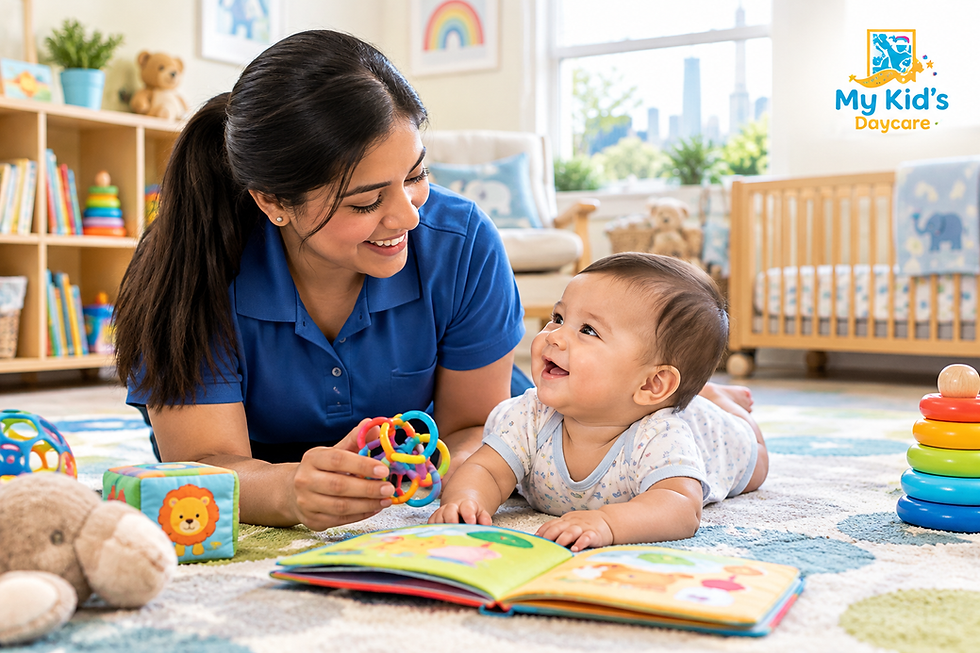
Parents searching for the stylish pre-kindergarten should closely observe schoolteacher–child relations, because the quality of these connections directly affects children’s emotional security, curiosity, and amenability to share in daily conditioning.
During a stint, families should watch how preceptors communicate with children, manage transitions, offer stimulants, and support individual requirements in a respectful and nurturing manner.
Also, the stylish pre-kindergarten employs staff who demonstrate tolerance, enthusiasm, and kindness, which helps children feel valued and understood throughout their academy day.
Strong schoolteacher–child connections significantly enhance learning issues, so parents profit from choosing a pre-kindergarten where preceptors authentically prioritize meaningful connections.
Review the Classroom Environment
Assessing the classroom setup is essential when opting for the right pre-kindergarten, because the terrain plays a major part in shaping children’s gesture engagement, and learning independence.
Parents should look for well-organized spaces featuring literacy centers, age-applicable accoutrements, creative displays, and accessible coffers that encourage children to explore freely and confidently.
A high-quality pre-kindergarten will always maintain classrooms that feel inviting, safe, and stimulating, which helps children feel engaged about learning every day. Also, observing how children interact with the terrain provides insight into the center’s approach to independence and disquisition.
Thus, opting for a pre-kindergarten with courteously designed classrooms ensures children witness diurnal openings for meaningful discovery.
Consider Safety norms and Cleanliness
Safety should always be a top priority when assessing any pre-kindergarten, because young children require harmonious supervision, secure installations, and clean surroundings that support their health and well-being.
Parents should ask about exigency procedures, caller programs, drawing routines, and staff-to-child ratios to ensure the center operates with high responsibility.
A dependable pre-kindergarten will have strict safety measures in place, including sanitized accoutrements, locked entry systems, and easily defined emergency guidelines for all staff.
Clean, organized spaces not only help prevent illness but also demonstrate a center’s commitment to responsible care. When parents choose a pre-kindergarten with strong safety practices, they gain peace of mind knowing their child is in a defended and well-managed setting.
What should parents look for when choosing a stylish pre-kindergarten?
Parents opting for a pre-kindergarten should estimate several crucial factors that significantly impact their child’s early literacy experience, beginning with the center’s educational gospel and how well it supports developmental requirements across emotional, social, cognitive, and physical disciplines.
Also, families should consider classroom association, schoolteacher credentials, safety protocols, communication strategies, and the overall atmosphere that surrounds diurnal routines.
A strong pre-kindergarten focuses on encouraging disquisition, nurturing creativity, and developing essential life chops through structured and play-grounded conditioning that helps children feel confident and able.
Parents should also interrogate about the class and how it aligns with exploration- grounded early nonage practices that guide holistic growth.
Eventually, choosing the stylish pre-kindergarten requires balancing academic prospects with probative, nurturing gestures that promote joyous literacy and long-term experimental success for every child.
Why are schoolteacher qualifications important when assessing a pre-kindergarten?
Schoolteacher qualifications play a pivotal part in determining the quality of any pre-kindergarten program, because trained preceptors understand how to support early nonage development through purposeful, age-applicable strategies that encourage meaningful literacy.
Pukka and educated preceptors are professed at guiding young children through structured conditioning, while also catering to individual requirements and offering individualised support that enhances growth.
When parents estimate a pre-kindergarten, reviewing the schoolteacher experience helps them understand whether the staff is prepared to manage different literacy styles, social actions, and emotional milestones effectively.
Also, professional preceptors use strong communication methods, which help maintain positive connections with families through harmonious, instructional updates.
A pre-kindergarten with good preceptors provides children with a secure, enriching environment that fosters curiosity, independence, and emotional well-being, making staff training one of the most important considerations parents should prioritise.
How does the classroom terrain affect children in a pre-kindergarten?
The classroom terrain significantly affects children’s gestures in any pre-kindergarten, because young learners naturally respond to spaces that are organised, engaging, and designed to support discussion, creativity, and comfort throughout the day.
A well-structured classroom includes literacy stations, sensitive accoutrements, reading corners, and hands-on coffers that encourage children to share laboriously and singly.
Also, the stylish pre-kindergarten classrooms promote emotional security through warm decor, predictable routines, and friendly communication that help children feel welcome.
Parents should also consider how preceptors use the terrain to support movement, cooperation, and problem- working, which play essential roles in early development.
When a pre-kindergarten provides courteously arranged literacy spaces, children gain opportunities to develop curiosity, confidence, and social chops, making the terrain a vital factor in overall literacy quality.
FAQs
What age group does a pre-kindergarten serve?
Most programs serve children for periods of three to five years, depending on experimental readiness.
Does pre-kindergarten focus on academic meditation?
Yes, most programs blend early academics with play-grounded literacy.
How do I record a stint of pre-kindergarten?
Parents can request a stint online or communicate with the center directly.
Do pre-kindergarten programs include outdoor play?
Yes, nearly all centers give supervised outdoor time daily.
Are reflections generally handed out at pre-kindergarten centers?
Numerous programs offer snacks or refreshments, though they vary by position.
Conclusion
Choosing the right pre-kindergarten requires tolerance, exploration, and thoughtful evaluation of essential literacy rudiments.
Parents profit from opting for programs that deliver balanced, nurturing, and developmentally meaningful gestures.
A high- quality pre kindergarten can support academic readiness while nurturing curiosity and confidence.
Eventually, the stylish choice ensures a strong foundation for lifelong literacy success.


Comments